Wisdom Teeth Removal in Your 20s: What to Know
@sergiowjon752
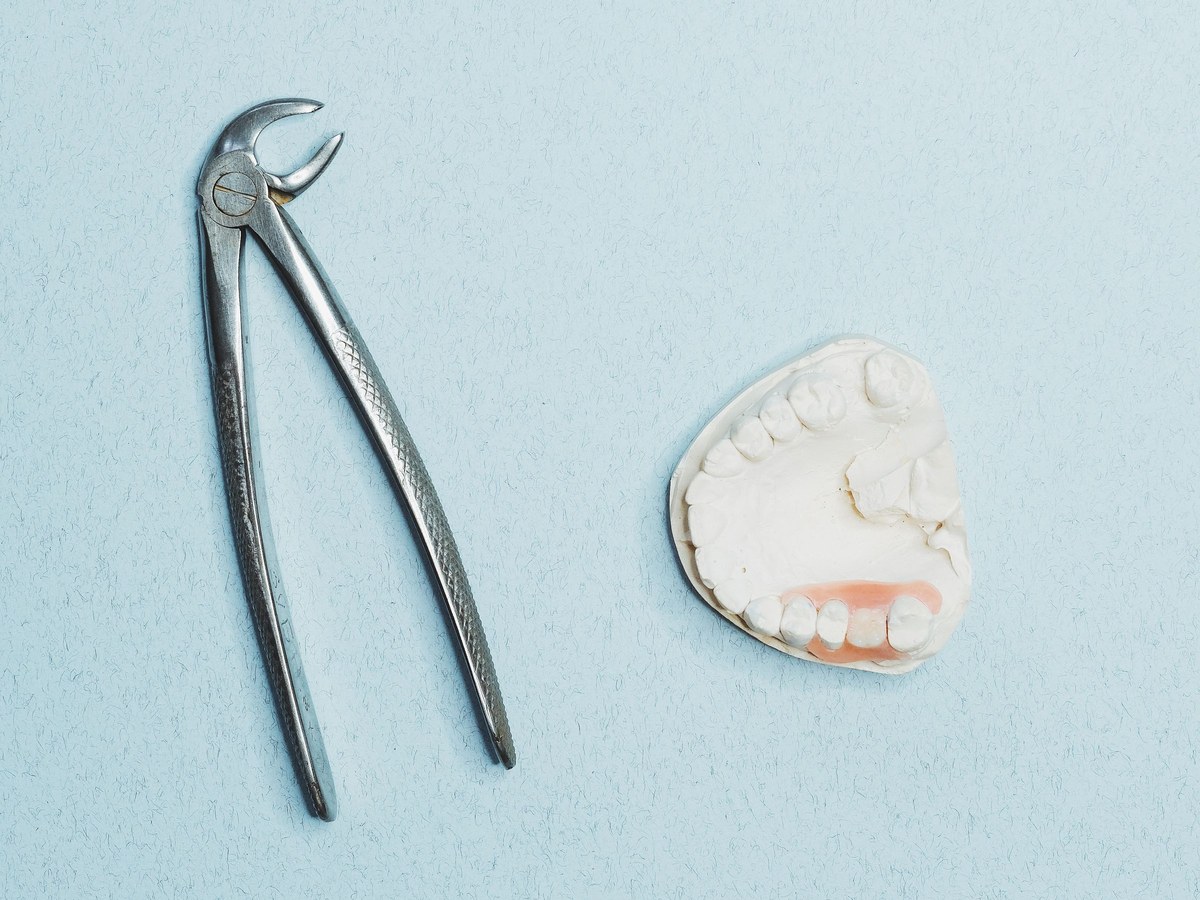
If you are in your 20s and someone has recently told you that your wisdom teeth need to come out, you are in very common company. This is the decade when many people finally deal with third molars, sometimes because they start hurting, sometimes because a dentist spots a problem on an X-ray before symptoms begin, and sometimes because a years-old recommendation has been easy to postpone until now.
What catches many adults off guard is that wisdom teeth can stay quiet for years and still cause trouble later. A tooth can be partially trapped under the gum, angled toward the molar in front of it, or simply hard to keep clean. You may feel nothing at first, then suddenly develop swelling around the back of the jaw, pain when chewing, bad breath that does not respond to brushing, or pressure that seems to come and go. That pattern is familiar in practice. The tooth is not always the dramatic, movie-style emergency people imagine. Quite often, it is a slow-burn problem that becomes obvious only after inflammation or decay has already started.
For most healthy adults in their 20s, Wisdom Teeth Removal is a routine oral surgery with a predictable recovery. That does not mean it is trivial. Timing matters. Planning matters. So does understanding why one person is advised to remove all four teeth while another is told to monitor only one. The details depend on how the teeth are positioned, how much room you have in the jaw, whether infection has occurred, and how close the lower roots sit to the nerve that gives feeling to the lower lip and chin.
Why your 20s are such a common time for removal
There is a practical reason this procedure clusters in the late teens and 20s. Wisdom teeth usually erupt, or attempt to erupt, in the late teens through the mid-20s. In some people they come in fully and function like any other molar. In many others they do not. The jaw often does not have enough room, especially for the lower third molars. When that happens, the tooth may stay buried in bone, break through only partway, or lean forward into the tooth ahead of it.
Your 20s are also the years when a lot of people start getting regular dental X-rays after a gap in care or after leaving pediatric dentistry. That is when hidden issues are often found. A college student may notice recurring soreness during exam week and think it is stress clenching, only to learn a lower wisdom tooth has partially erupted and trapped bacteria under the gum flap. A young professional may hear, “This one isn’t hurting yet, but it is starting to create a cavity in the second molar.” That second scenario matters more than many realize. Damage to the tooth in front of the wisdom tooth can be harder to fix than removing the wisdom tooth itself.
There is another reason surgeons often prefer the 20s over waiting longer. In general, bone density and root development can make surgery and recovery somewhat more straightforward in younger adults than in people in their 30s or 40s. That does not mean older adults cannot have wisdom teeth removed successfully. They can, every day. It means the trade-offs change. Healing can be a bit slower, roots may be fully formed and more curved, and preexisting gum disease, restorations, or systemic health issues can complicate planning.
Not every wisdom tooth needs to come out
A lot of anxiety comes from hearing the issue framed too broadly. Wisdom teeth are not automatically bad teeth. Some erupt normally, have healthy gum support, can be cleaned well, and do not threaten neighboring teeth. Those may not need removal at all.
The decision is usually stronger when one or more of the following are present:
- Repeated gum infection around a partially erupted tooth
- Cavities in the wisdom tooth or the second molar next to it
- Pressure, pain, swelling, or food trapping that keeps returning
- Cysts, bone damage, or other pathology seen on imaging
- Orthodontic or restorative plans that are compromised by the tooth
Even here, context matters. A fully buried wisdom tooth with no symptoms and no evidence of disease may be monitored rather than removed, especially if imaging suggests higher surgical risk. On the other hand, a “painless” tooth can still be causing silent harm if decay is starting between it and the second molar. This is one of those areas where a blanket rule is not helpful. A good recommendation should be based on your anatomy and your risk profile, not just your age.
What the consultation should cover
A proper consultation is more than a quick look and a treatment estimate. You should expect a clinical exam, recent imaging, and a conversation that explains what is being seen and why removal is or is not advised. Panoramic X-rays are commonly used. In cases where the lower wisdom teeth appear very close to the inferior alveolar nerve, a three-dimensional scan may be recommended to better understand the relationship.
That nerve question is one of the most important details for lower wisdom teeth. If the roots sit near the nerve canal, the surgeon may discuss a higher chance of temporary numbness and, more rarely, long-term altered sensation in the lower lip, chin, or tongue depending on the surgical site and nearby structures. Most patients never experience this, but it is a real risk and deserves a clear explanation.
The consultation should also cover sedation options, your health history, medications, smoking or vaping habits, and how many teeth are being removed in one visit. If you have a demanding work schedule, travel planned, or a major event coming up, mention it. These practical details affect timing more than people expect.
A useful sign of a thoughtful surgeon is specificity. “They should come out” is not enough. “The lower left tooth is partially erupted, you have had two infections around it, and it is difficult to clean because the gum flap traps debris” is a very different conversation. So is, “The upper right is fully erupted and easy to maintain, I would leave that one alone.”
Will all four need to be removed at once?
Often, yes. Not always.
Removing all four wisdom teeth in one appointment is common because it consolidates anesthesia, recovery time, and follow-up. For a healthy person with multiple problematic wisdom teeth, this is efficient and usually sensible. Most people would rather have one recovery period than staggered procedures over months.
There are reasons to split treatment. One tooth may be acutely infected and need prompt attention while another can wait. A patient may have financial limitations, unusual anatomy, a strong preference for local anesthesia, or a schedule that cannot accommodate a bigger recovery. Sometimes only one or two wisdom teeth are actually problematic, and treating just those is entirely reasonable.
I have seen plenty of patients assume that if one wisdom tooth hurts, then all four must be removed urgently. That is not automatically true. Symmetry on the X-ray does not always mean symmetry in risk.
What surgery day is usually like
For many adults in their 20s, the procedure is done in an oral surgery office rather than a hospital. Depending on the case and your comfort level, anesthesia may range from local numbing alone to IV sedation. The exact choice depends on the complexity of the extractions, your medical history, and your anxiety level.
Simple erupted wisdom teeth can sometimes be removed much like other teeth. Impacted teeth are different. The surgeon may need to lift the gum, remove a small amount of bone, and section the tooth into pieces so it can be removed with less force. That sounds severe when written out, but in experienced hands it is standard technique. The goal is controlled, careful removal with minimal trauma to surrounding tissue.
A lot of patients worry about hearing or feeling too much during the procedure. Under local anesthesia you should not feel sharp pain, though pressure is normal. Under IV sedation many people remember little or nothing. The bigger surprise for some is not the surgery itself but how numb, swollen, and tired they feel afterward.
Arrange a ride home if you are receiving sedation. Clear the rest of your day. Even people who bounce back quickly are not at their best after oral surgery, and trying to work, study, or socialize immediately afterward rarely goes well.
The first 72 hours matter most
Recovery tends to be very manageable when people take the early instructions seriously. The first three days set the tone. During that window, the focus is controlling bleeding, reducing swelling, staying hydrated, protecting the blood clot, and keeping pain ahead of you rather than chasing it after it ramps up.
The most common pattern is this: the mouth stays numb for several hours, oozing is normal at first, swelling peaks around day two or three, jaw stiffness follows, and then things gradually turn the corner. Many people are substantially better by day five to seven, though full healing of the sockets takes longer.
Here is the short version of what usually helps most:
- Use gauze as directed for the initial bleeding period, then leave the area alone
- Take prescribed or recommended pain medication on schedule, especially the first day
- Stick to soft, cool, easy foods and drink plenty of fluids
- Avoid smoking, vaping, straws, and vigorous rinsing early on
- Start gentle saltwater rinses only when your surgeon says it is time
People often underestimate hydration and nutrition. It is hard to recover well if you spend two days taking medication on an empty stomach and barely drinking water because swallowing feels awkward. Yogurt, soups that are warm rather than hot, mashed potatoes, smoothies eaten with a spoon, scrambled eggs, oatmeal, cottage cheese, and soft pasta all tend to work. The exact menu matters less than consistency.
Pain, swelling, and the fear of dry socket
Dry socket is the complication almost everyone has heard about, usually from a friend with a horror story. It happens when the clot at the extraction site breaks down or is lost too early, exposing underlying bone and causing significant pain. It is not the most common complication, but it is common enough to deserve respect.
The good news is that dry socket is usually treatable. The pain can be intense and often appears a few days after surgery rather than immediately. People describe it as deep, throbbing, and poorly controlled by the medicine that had been working before. Sometimes it radiates to the ear or temple. If that happens, call the office. Treatment often involves cleaning the area and placing a medicated dressing.
Smoking is one of the biggest avoidable risk factors. So is aggressive spitting, strong suction through a straw, or generally disturbing the healing site too soon. Hormonal factors may also play a role for some patients. This is why postoperative instructions can seem repetitive. They are trying to protect the clot.
Swelling, by contrast, is expected. Bruising can happen too, especially after more involved lower extractions. A puffy jaw on day two does not mean something is wrong. Trouble swallowing, fever, worsening swelling after initial improvement, foul drainage, or pain that escalates sharply after several calmer days deserves a call.
Work, school, and social plans
Most adults in their 20s want one direct answer: how many days will this knock me out?
For straightforward extractions, many people take one to three days away from work or class. For more difficult impacted lower wisdom teeth, it is wise to leave yourself several days of breathing room, especially if your job involves a lot of talking, customer-facing responsibilities, lifting, or physical activity. If you have an exam, presentation, interview, wedding, or trip, avoid scheduling surgery right before it unless you have no other option.
I usually tell people to think beyond pain. Even when pain is controlled, swelling, stiffness, medication side effects, interrupted sleep, and difficulty eating can make you feel off your game. The person who thought they would have surgery Friday and be out at brunch Sunday may be technically mobile, but often not comfortably so.
If you exercise regularly, ask when to return. Increased heart rate and heavy exertion too soon can restart bleeding or worsen throbbing. A gradual return is usually smarter than trying to prove toughness.
What people often get wrong about the cost
The price of Wisdom Teeth Removal varies widely depending on location, how many teeth are involved, whether they are erupted or impacted, who performs the procedure, what imaging is needed, and what type of anesthesia is used. Insurance can help, but coverage rules differ and estimates can be confusing.
The most useful way to think about cost is not just the fee on the day of surgery. It is also the cost of delaying when a tooth is clearly problematic. Repeated urgent visits for infection, damage to the second molar, lost work time, antibiotics, and a more complex extraction later can add up quickly. That does not mean every recommended extraction must happen immediately. It means the cheapest option on paper is not always the least expensive path in real life.
If finances are tight, ask direct questions. Which teeth are highest priority? Can treatment be staged safely? What is included in the estimate, and what would be billed separately? Offices that handle wisdom teeth regularly are used to these conversations.
Special considerations in your 20s
This decade comes with habits and circumstances that influence healing more than people realize. Vaping is a major one. Many patients know to avoid cigarettes after surgery but assume vaping is different. From a healing standpoint, it is not a free pass. Heat, suction, and chemical exposure are not kind to fresh extraction sites.
Orthodontic history matters too. Someone who has had braces may worry that wisdom teeth are pushing the front teeth crooked. That idea is more complicated than the internet makes it sound. Wisdom teeth are not the sole explanation for late crowding, but they can still cause other very real problems. It is better to base the decision on the actual findings, not just fear of relapse.
Travel is another practical issue. If you are moving, studying abroad, starting a new job, or losing dental coverage soon, timing may influence the plan. It is often easier to recover near home, with a local office available if you have questions, than to schedule surgery days before a flight.
For women, it can also help to discuss timing around hormonal cycles or contraceptive use if your surgeon raises dry socket risk in that context. Not everyone needs to factor this in, but thoughtful planning can make recovery smoother.
When waiting makes sense, and when it probably does not
There are cases where monitoring is entirely appropriate. A fully buried tooth with no sign of disease, stable imaging, and no damage to neighboring structures may be something your dentist watches over time. If removal carries increased nerve risk or if the medical picture is complicated, conservative management can be the better choice.
Waiting is less attractive when you already have a track record of recurring infection, gum inflammation, cavities, damage to the second molar, or food trapping that keeps coming back. One painful episode can be written off as bad luck. A pattern is a pattern.
There is also a quality-of-life element here. Repeated tenderness at the back of the mouth, frequent bad taste, swollen gums every few months, and anxiety about “when it will flare again” can justify action even before a dramatic emergency develops. Preventive removal is not about chasing hypothetical problems in every case. Sometimes it is about stopping a low-grade, annoying, very real one from becoming more expensive and more destructive.
Questions worth asking before you book
A short, focused conversation before surgery can spare you a lot of uncertainty later. If you are not sure what to ask, these are the basics that matter most: Which teeth actually need removal now? How difficult is each extraction likely to be? What anesthesia do you recommend and why? What does my recovery timeline probably look like? Are there specific risks in my case, especially involving the lower nerve or sinus for upper teeth?
Good answers should sound tailored to you. A 22-year-old with four fully bony impacted teeth close to the lower nerve deserves a different discussion than a 27-year-old with one partially erupted upper wisdom tooth that has caused repeated gum irritation.
The bottom line for your 20s
Wisdom teeth can sit quietly for years, but your 20s are when their long-term behavior often becomes clearer. For many people, this is the right decade to deal with them because problems declare themselves, imaging is more available, and recovery is often smoother than it would be later. Still, no responsible clinician should treat every wisdom tooth the same way.
The smartest approach is individualized and practical. Look at the X-rays. Match the recommendation to symptoms, anatomy, and risk. Plan the timing around real life, not wishful thinking. If removal is advised, treat it like what it is: common surgery, yes, but still surgery. Prepare well, follow instructions closely, and give yourself a few quiet days to heal.
Most people in their 20s who need Wisdom Teeth Removal do well. The ones who do best are usually not the toughest or Wisdom Teeth Removal least anxious. They are the ones who understand why the procedure is being recommended, choose timing carefully, and respect the recovery period instead of trying to outrun it.
Oxnard Dentistry
1730 E Gonzales Rd, Oxnard, CA 93036, United States
+1 805-307-8731
FAQ About Wisdom Teeth Removal
How painful is it to remove a wisdom tooth?
Local anesthetic numbs the area during extraction. Pressure may still be noticeable; tell the dentist if you feel pain. Soreness and swelling afterward are common. Follow the pain-control instructions provided for your situation.
How long is recovery for wisdom teeth extractions?
Recovery varies with the tooth position and complexity of the extraction. Some people resume routine activities quickly, while others need several days of rest. Soreness, swelling and jaw stiffness can last up to two weeks. Follow your clinician's aftercare and activity advice.
What are the risks of wisdom tooth removal?
Possible complications include dry socket, infection, persistent bleeding and changes in sensation from nearby nerve injury. Your dentist or oral surgeon should explain your individual risks before treatment. Seek prompt dental advice for bleeding that will not stop, fever, or severe or worsening pain and swelling.